
VIN Check
Check a VIN and uncover its recorded history.
Enter a vehicle's 17-character VIN to explore available vehicle history, specifications, and other important records. Select the report package that suits your needs and receive your report according to the stated delivery timeframe.
Where to look
Four reliable places to find your VIN.
Windshield plate
Stand outside the car and look at the lower corner of the windshield on the driver's side.
Driver's doorframe
Open the driver's door and read the compliance sticker on the B-pillar or door edge.
Under the hood
Many vehicles stamp the VIN on the firewall, strut tower or the front of the engine block.
Your paperwork
Registration, title, insurance card and service invoices all carry the full VIN.
VIN anatomy
What each of the 17 characters means.
1–3
World manufacturer identifier
Country, maker and vehicle type
1–3
Vehicle descriptor
Model, body style, engine and restraints
9
Check digit
Validates the VIN is not mistyped
10
Model year
Factory model year code
11
Assembly plant
Where the vehicle was built
12–17
Serial number
Unique production sequence
How it works
Three simple steps to check a vehicle.
01
Enter the VIN
Type or paste the 17-character VIN from the windshield plate, doorframe label or registration.
02
Select your package
Choose the report package and delivery option that best suits your needs.
03
Receive your report
Your completed report will be delivered according to the timeframe shown for your selected package.
WHAT YOUR REPORT CAN COVER
Get the information you need before you buy.
A vehicle history report can help you understand a vehicle's recorded history, specifications, and potential risks before making a purchase.
Vehicle History Report
Generated 21 Aug 2026
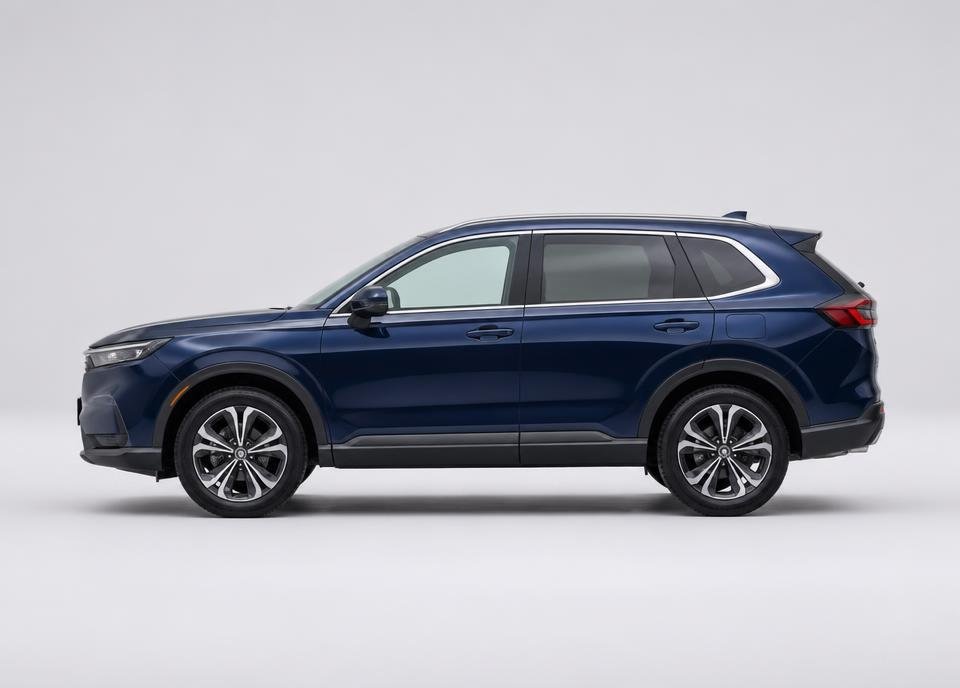
2021 Honda CR-V EX-L AWD
2HKRW2H8XMH512094
No critical issues found
Accidents reported
1 minor (2022)
Last odometer reading
84,120 mi — consistent
Title status
Clean · No brands
Theft records
No active theft record
Service history
14 documented events
Previous owners
2 (personal use)
FAQ
Questions, answered.
Support replies in about 10 minutes.
What is a VIN?
A Vehicle Identification Number (VIN) is a unique 17-character code assigned to a vehicle by its manufacturer. It identifies the vehicle and can provide details such as the manufacturer, vehicle type, model year, production information, and unique serial number.
Where can I find my VIN?
The VIN is usually located in one of these places:
- On the driver’s side dashboard, visible through the windshield
- On a label inside the driver’s side door or door frame
- On the vehicle registration documents
- On the vehicle title
- On insurance documents
If you’re having trouble locating it, check your vehicle’s owner’s manual for the exact VIN location.
What can a VIN check tell me about a vehicle?
A VIN check can help you uncover information associated with a vehicle’s recorded history. Depending on the vehicle and the records available, a report may include:
- Vehicle specifications and identification details
- Accident or damage records
- Title and registration information
- Odometer or mileage records
- Ownership-related records, where available
- Theft-related information
- Recall information
- Service or maintenance records, where available
- Import or export history
- Other records associated with the vehicle’s VIN
The amount of information available can vary based on the vehicle, its history, location, age, and the databases containing records for it.
How long does it take to receive my report?
Your report is delivered according to the delivery time stated on the package you select at checkout. Once your payment has been successfully processed, we begin preparing your report.
Delivery times can vary depending on the package selected and, in some cases, the availability or processing of external vehicle records. Your completed report will be sent to the email address provided with your order.
How accurate is a VIN report?
We aim to provide useful and reliable vehicle history information based on the records available to us. However, no vehicle history report can guarantee that every event in a vehicle’s past has been recorded.
Information may be incomplete, delayed, or unavailable if an incident was never reported or has not been added to the relevant records. For this reason, we recommend using a VIN report together with a professional mechanical inspection and a review of the vehicle’s documentation.
Can I check any vehicle with a VIN?
You can generally check cars, trucks, SUVs, motorcycles, and light commercial vehicles with a valid 17-character VIN. Most vehicles manufactured from 1981 onward use the standardized 17-character VIN format.
However, report availability and the amount of information returned may vary by vehicle type, model year, country, and available records.
Do I need to buy the vehicle before checking its VIN?
No. A VIN check is most useful before you commit to purchasing a used vehicle. Reviewing the available history beforehand can help you identify potential concerns and decide whether you want to move forward with the seller.
What happens if my VIN report contains a problem?
A record such as an accident, title issue, mileage discrepancy, theft record, or recall does not necessarily mean you should immediately walk away from the vehicle. The importance of a finding depends on its details and severity.
If your report raises concerns, we recommend asking the seller for supporting documentation and having the vehicle inspected by an independent qualified mechanic before making a purchase.
Can a VIN report guarantee that a vehicle has never been damaged or involved in an accident?
No. A VIN report can only show information that has been recorded and is available in the sources used for the report. Damage or accidents that were never reported or recorded may not appear.
A clean report should therefore not be treated as a guarantee that a vehicle has never been damaged.
What if I enter the wrong VIN?
A VIN must be entered correctly for the report to be associated with the intended vehicle. Before submitting your order, carefully compare the VIN you enter with the VIN displayed on the vehicle and its documents.
If you believe you entered an incorrect VIN after placing an order, contact customer support as soon as possible and provide your order details so the issue can be reviewed.